Think outside the candy dish…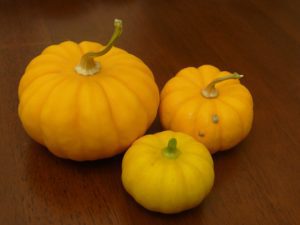
Halloween is one of my favorite holidays. We grow pumpkins every year, and this is the first year in 15 that I only got to harvest one pumpkin. One! We do, however, have a very well-fed groundhog, who apparently enjoys eating pumpkin.
As some of you know, I love chocolate. I’m also a fan of balance, so more than a dozen years ago, I made the choice to stop giving out Halloween candy. I didn’t want to stare at a bowl of candy the month prior and the month after Halloween, because I know myself well enough to know if I see it, I’m much more likely to eat it. Instead, we gave away rubber duckies, mini-slinkies, yo-yos, stamps and other small fun toys. My husband was initially not happy with my decision, and I was a little nervous, until my first trick-or-treater ran back to his dad and said, “Cool! A slinky!” One year, a group of girls even told my husband that she looked forward to the “rubber ducky house” every year. Somehow, I resisted the opportunity to say I told you so.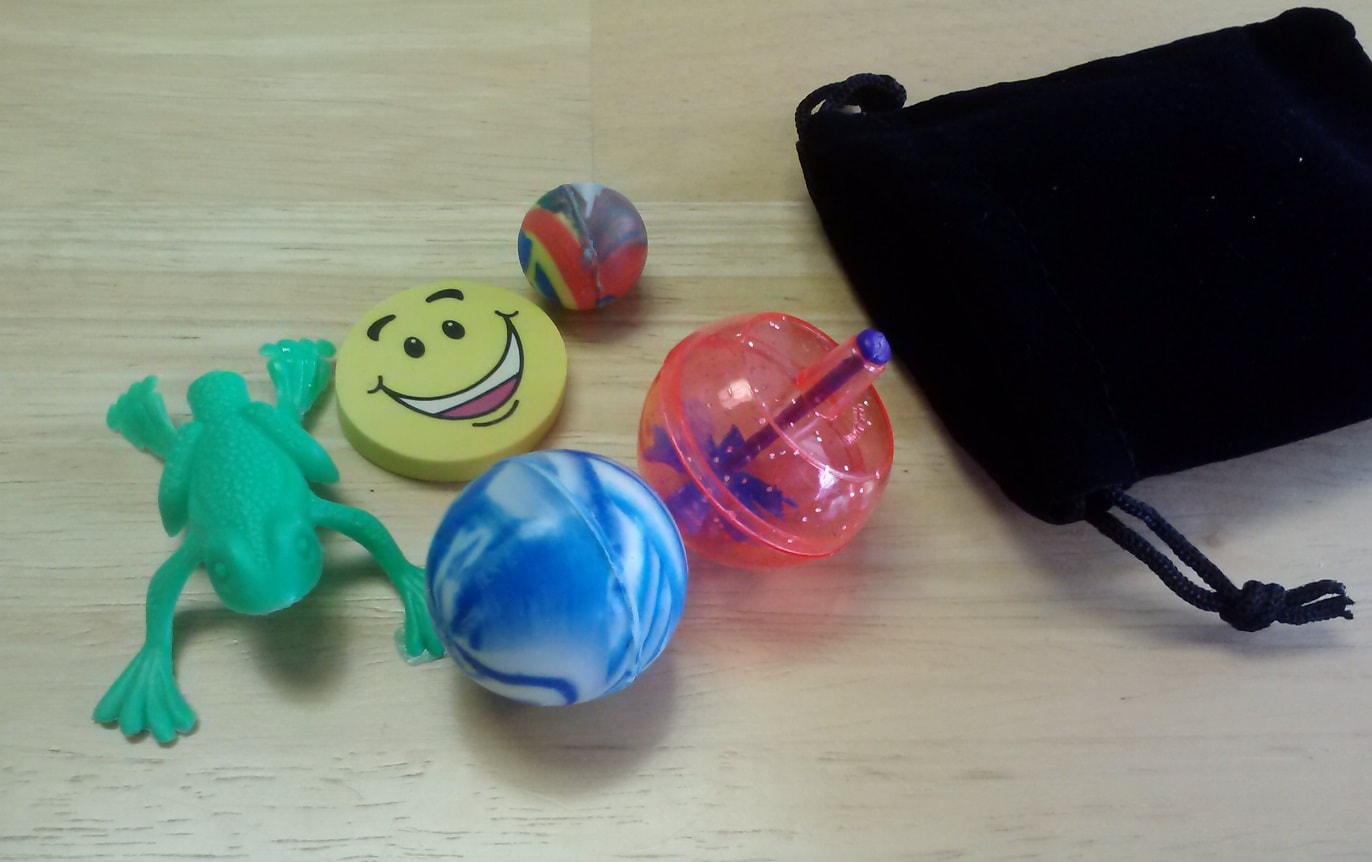
There are plenty of good options for stickers, toys, rubber duckies, mini games or even temporary tattoos for children you know well. Amazon has a ton of fun toy assortments (glow in the dark fangs, anyone?) Oriental Trading Company has a wide selection. Another easily available non-food option is mini cans of Play-Doh, (g-free peeps, remember that Play Doh has gluten, so if you play, wash your hands very, very, very thoroughly!) Some are more expensive than candy, but it depends on how you look at it. When you average in the bag of candy you bought on sale in September (and ate), the one in mid-October (trust me, that one will disappear as well) and the one you have to run out at the last minute and buy, it evens out in the end.
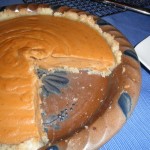
One of my clients, Stephanie, got really creative and put together goodie bags of her own (above). She found the DIY approach was cheaper than ones she could buy. They were a hit!
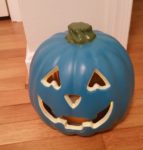 Extra bonus–if you decide to go the non-food-treat option, Food Allergy Resource & Education (FARE) now has an interactive map so that children with food restrictions can find safe houses to visit and you can add your house to the map so children and parents know that safe options are available..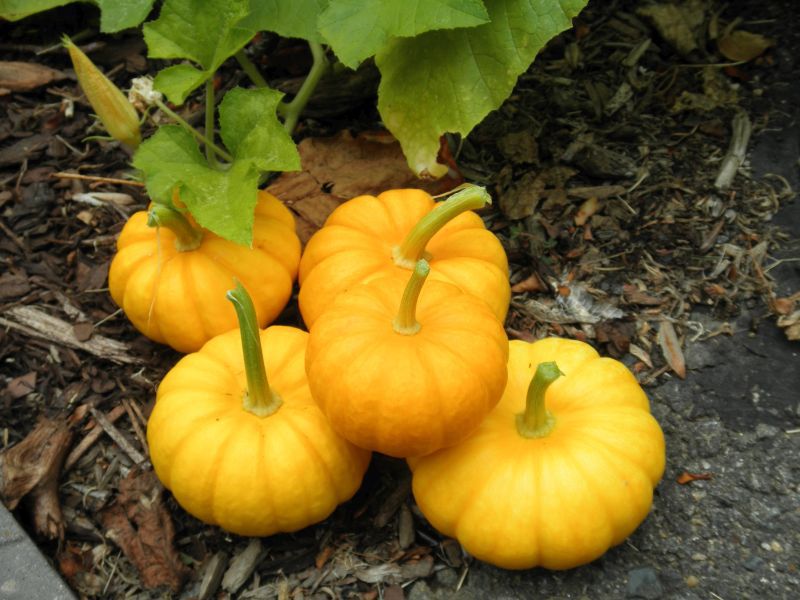
This isn’t a rant against candy, or fun traditions. I fully trust there will still be more than enough candy to go around, even without my help. I’m all for treats when I will enjoy them. A lot of times with Halloween candy, it gets eaten because it’s right in front of us and then *poof* where’d they go?
You can also opt for healthier treats, like mini Larabars and mini Kind Bars, all fruit leathers, mini-packs of pistachio nuts, etc.
Also, if you do have children who are going trick-or-treating, it also may be worthwhile to have a plan for the excess candy. One method can be allowing children to sort their pile and choose a certain amount of candy they really want, and then bring the rest to a local foodbank, like the Capital Area Food Bank, or Food For Others. to a group collecting candy to send to the troops, etc.
Fall recipes:
One of the things I love most about autumn is the beauty of the leaves. We’re not there yet, so the best is yet to come! The food is a close second! Here are some of my favorites:
- Butternut Squash Bisque: The tastiest way to get vitamin A! A wonderful soup for the fall or winter. Allergen friendly with a dairy free option.
- Hot Mulled Apple Drink: a favorite at our annual pumpkin carving party. It’s the perfect drink for a crisp autumn day.
- Pumpkin Seeds: several variations on this classic snack.
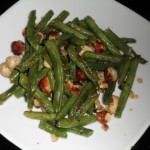
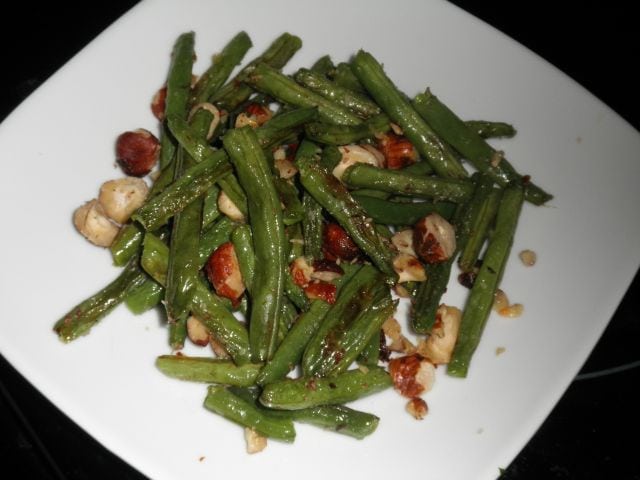
- Roasted Green Beans: So easy to get green beans this time of year. Yum yum yum!
Cheryl Harris, MPH, RD is a Registered Dietitian Nutritionist and Certified Wellcoach in Fairfax. She helps people with a range of dietary issues , including Celiac Disease, GI issues, food allergies, vegetarian and plant based diets, preventing diseases and “whole foods” eating. Let’s get you on your way to achieving your goals and feeling great! Email or call 571-271-8742.
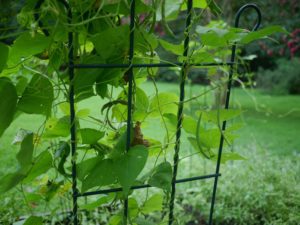 What a month. We’ve gone from a sauna to monsoon season. At least my green beans love the water!

 Healthy life, strong bones
 g bones and teeth, and it’s vital for the rest of our bodies, too. Nerves, muscles and even our heart depend on calcium to function. While it is easiest to build bone mass during teen years, our bodies constantly need calcium throughout our lives. It is normal to lose some bone mass with age, and bone loss tends to be greatest after menopause.
 them today at Whole Foods in Springfield…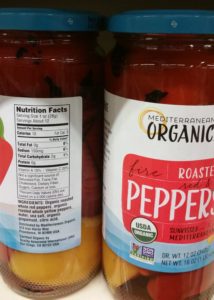
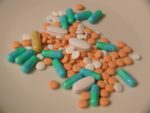 Finally! The FDA has issued draft guidance on gluten in medications, and the comment period is open now. In short, currently there are no specific rules for labeling gluten in medications, and gluten (or wheat, more specifically) may be used as a filler or excipient without being clearly labeled. “We encourage drug manufacturers to have accurate information about their products’ gluten content available so they can respond to questions from consumers and health care professionals. Manufacturers should pay attention to possible sources of gluten in their products, consider specifications when appropriate, and consider the impact of changes in ingredient sources or formulations on gluten content.”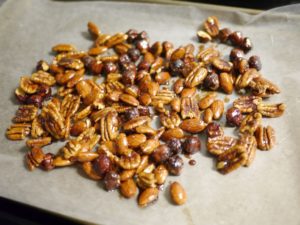
 &
&